Editorial Wellness Platform

Jamu. The Wisdom
Your Grandmother
Never Stopped Knowing.

We explore Indonesia's centuries-old herbal tradition through long-form writing, cultural research, and a genuine curiosity about what turmeric, ginger, and lemongrass have meant to Indonesian households across generations.

Scroll to explore
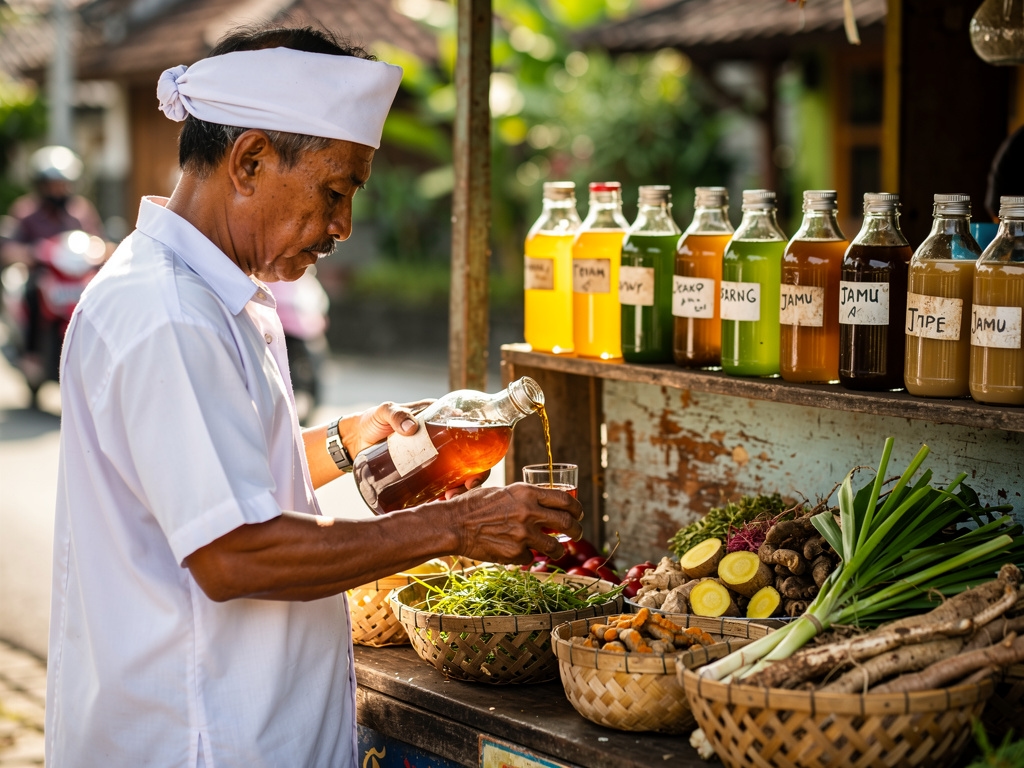
A Jamu vendor in Java carefully preparing fresh herbal blends in the early morning light
Jamu Gendong A tradition carried across Java for centuries
About This Platform

Writing About Jamu With Honesty and Depth

Solidcrest is an editorial project. We do not sell herbal products. We do not diagnose or treat any medical condition. We do not replace consultation with a qualified healthcare professional.

What we do is write carefully about Indonesia's Jamu tradition. About the vendors who carry bamboo baskets through Yogyakarta's early mornings. About what nutritional science currently understands about curcumin as a dietary compound. About why ginger preparations have remained part of Indonesian kitchens not because of any single claim, but because they are woven into daily life in a way that no supplement can replicate.

Our content is cultural and informational. It is grounded in publicly available nutritional data and in the kind of traditional knowledge that deserves to be written about with the same seriousness as any other cultural heritage.

Read our editorial approach
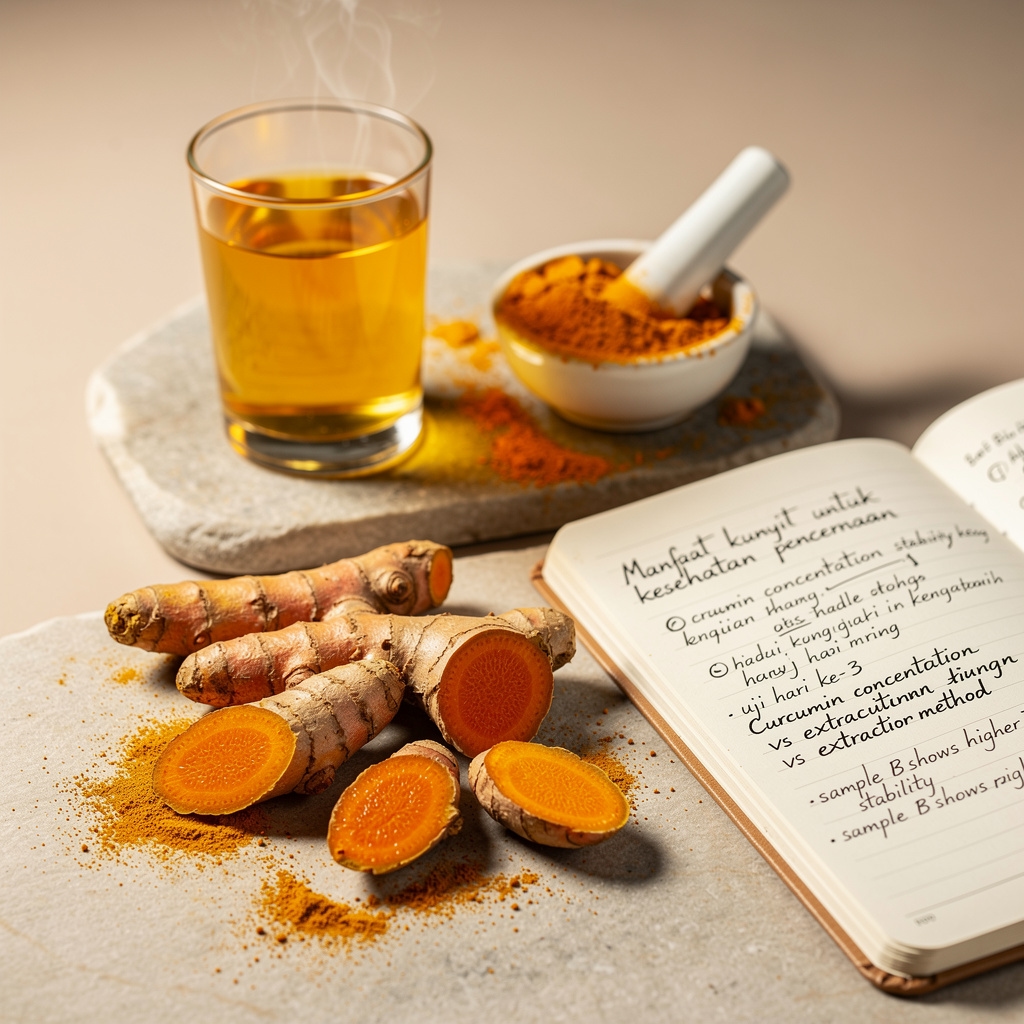
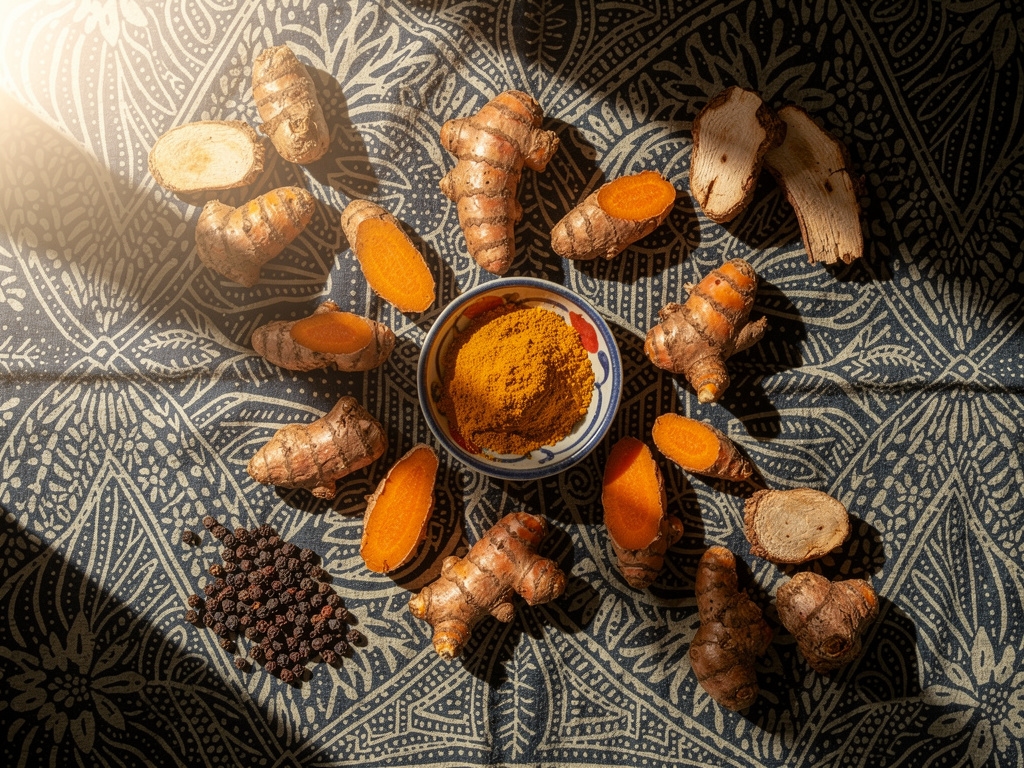
Fresh turmeric roots arranged on traditional Javanese batik fabric, representing the intersection of culture and plant knowledge
Cultural, Not Commercial
Our Editorial Columns

Four Areas We Write About

The Jamu Tradition

Jamu is not a product category. It is a practice. A relationship between people and the plants that grow close to where they live. In Java, the word carries weight that no translation quite captures. It implies not only the preparation but the intention behind it.

Our writing on Jamu focuses on the cultural and historical dimensions of this tradition. We trace how specific herbs came to be associated with particular preparations, how the knowledge moved from palace kitchens to village markets, and how contemporary Indonesians are returning to these practices not out of nostalgia but out of a genuine interest in what their grandmothers understood intuitively.

We write about Kunyit, Jahe, Sereh, Lengkuas, Temulawak, and the other plants that appear in Jamu preparations. We do not make health claims. We document culture.
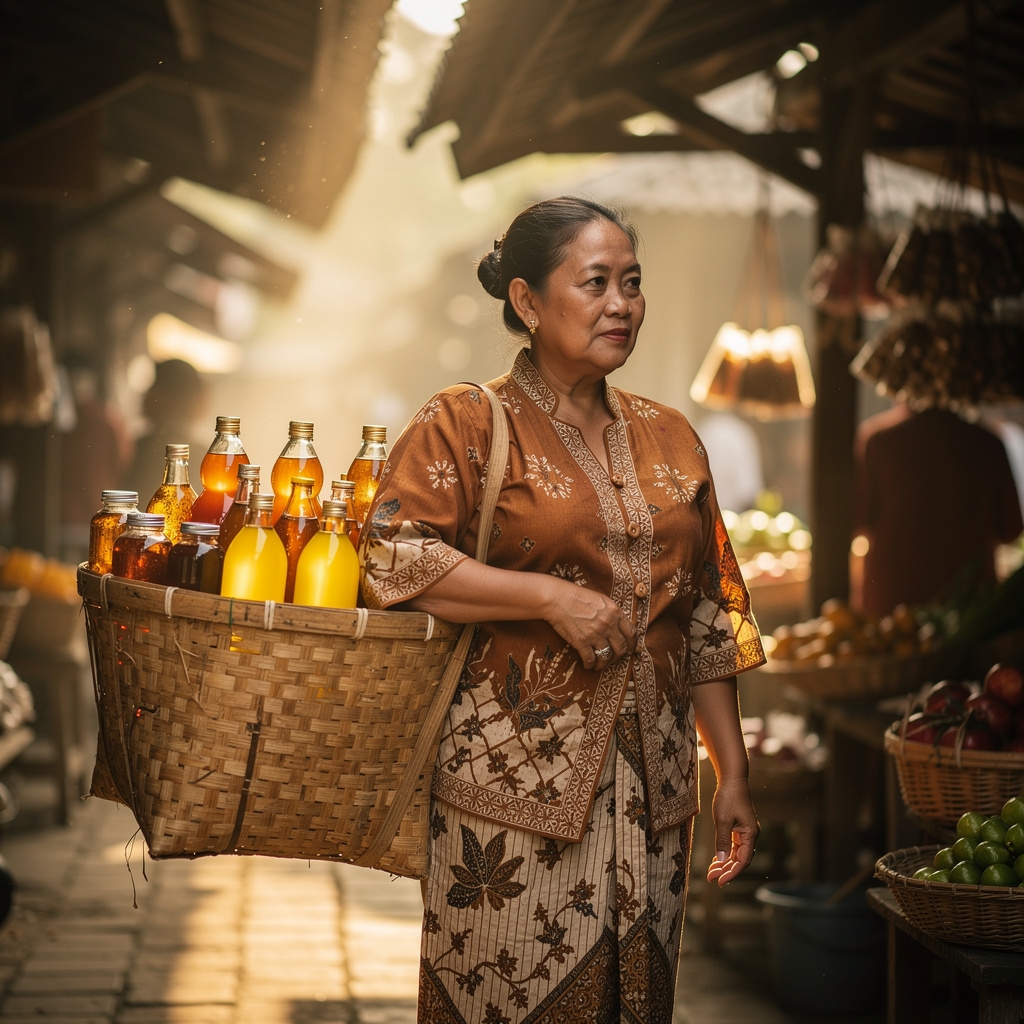
Jamu vendor preparing fresh herbal blends in the morning

Nutrisi: Eating Well With Local Ingredients

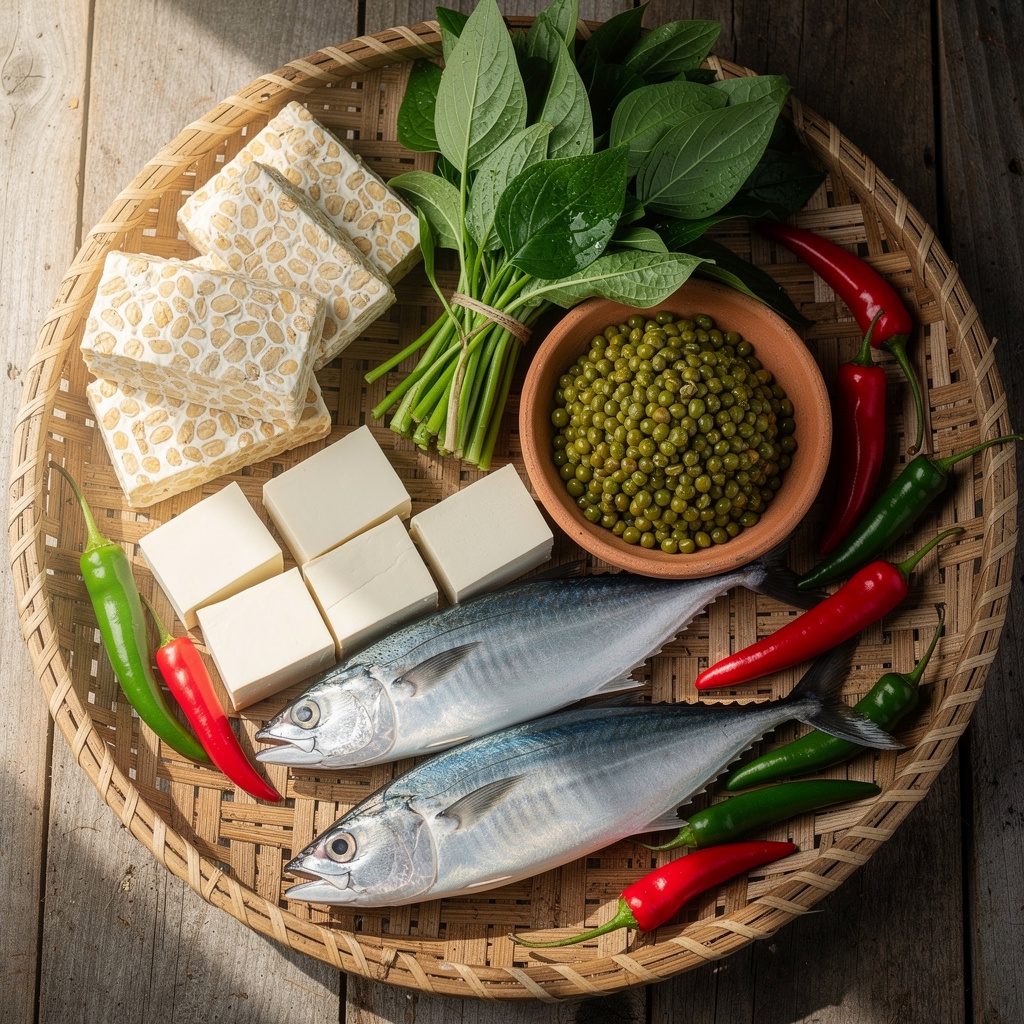
The Nutrisi column explores balanced eating through the lens of Indonesian ingredients that are widely available, culturally familiar, and generally far less expensive than imported supplements.

Tempeh, tahu, kacang-kacangan, sayuran hijau, and a range of locally grown vegetables appear throughout Indonesian markets every morning. Our writing looks at what nutritional data tells us about these foods, without overstating what that data means.

We are interested in the food culture as much as the nutrition science. How ingredients are prepared matters. Context matters. A plate of gado-gado eaten in a warung tells a different story than the same ingredients measured into a macro-tracking app. Both perspectives are worth understanding.

A vibrant spread of fresh Indonesian local ingredients including tempeh, vegetables, and spices on a market table

Olahraga: Movement Without a Gym

The Olahraga section is written for people who work in offices, sit through back-to-back meetings, and consistently find that the day ends before they had a chance to move.

Fifteen minutes is a real constraint. We take it seriously. The bodyweight routines we describe do not require equipment, a gym membership, or a dedicated space beyond what a small room or corridor provides. They are designed for the actual conditions of a busy professional's day.

We also write about the relationship between movement and mental clarity, the physiology of sitting for extended periods, and how small, consistent habits compound over months in ways that a single intensive session rarely does.

A young Indonesian professional in smart casual clothing performing a bodyweight exercise in a small office space during a break between meetings

Kesehatan Mental: Practical and Subscription-Free

The Kesehatan Mental section addresses stress and mental wellness through practical approaches that do not require an app, a subscription, or any particular technology. We write about breathing exercises that can be done at a desk. About the relationship between screen time and sleep quality. About setting boundaries with digital devices in a way that is realistic for someone whose work requires constant connectivity.

These are not clinical interventions. They are documented practices supported by publicly available research. We present them as information, not as advice. Readers experiencing significant mental health concerns are always encouraged to consult a qualified professional.

We also explore traditional Indonesian approaches to mental and emotional wellbeing, including the role of community, ritual, and the simple practice of slowing down that Jamu culture embodies.

A young Indonesian woman seated cross-legged on a simple mat near a window, eyes closed, hands resting on knees, practising a breathing exercise in soft morning light
The Ingredients

Plants That Carry History

Each ingredient in the Jamu tradition has a story. Here are four we write about extensively.

Kunyit

Turmeric

Used in Javanese ritual and daily preparation for centuries. Curcumin, its primary compound, has attracted significant nutritional research interest. Our writing examines both dimensions without conflating them.

Jahe

Ginger

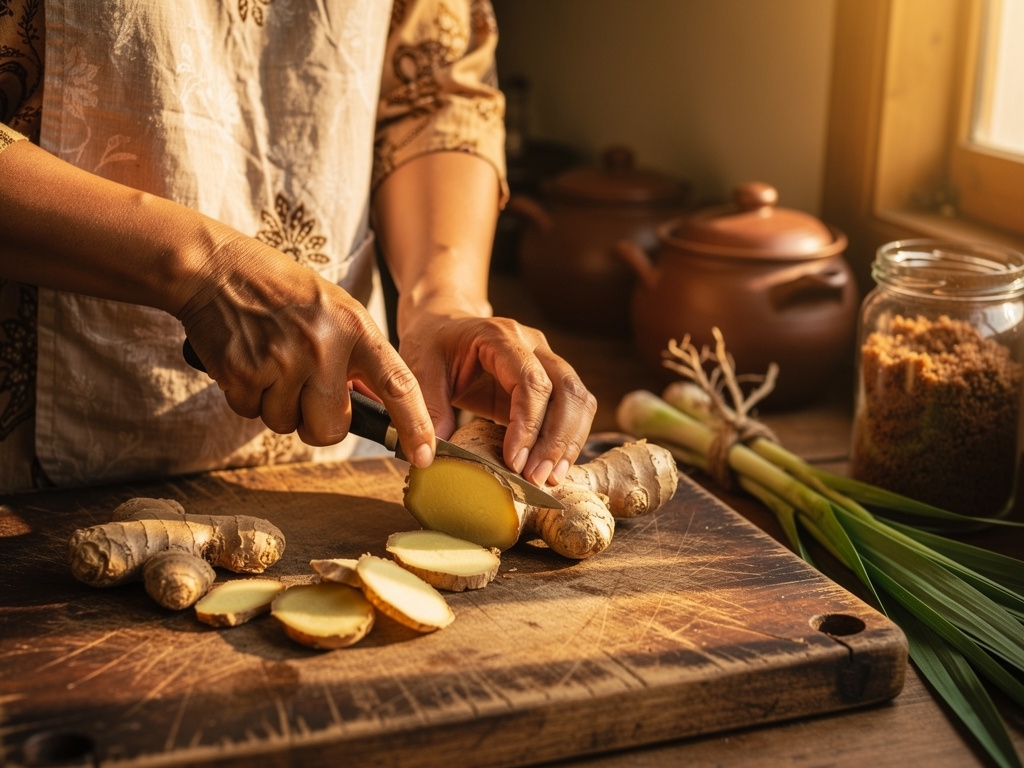
Fresh ginger preparations have been part of Indonesian households across generations. The way it is prepared, the time of day it is consumed, the vessel it is served in. These details matter culturally, not just nutritionally.

Sereh

Lemongrass

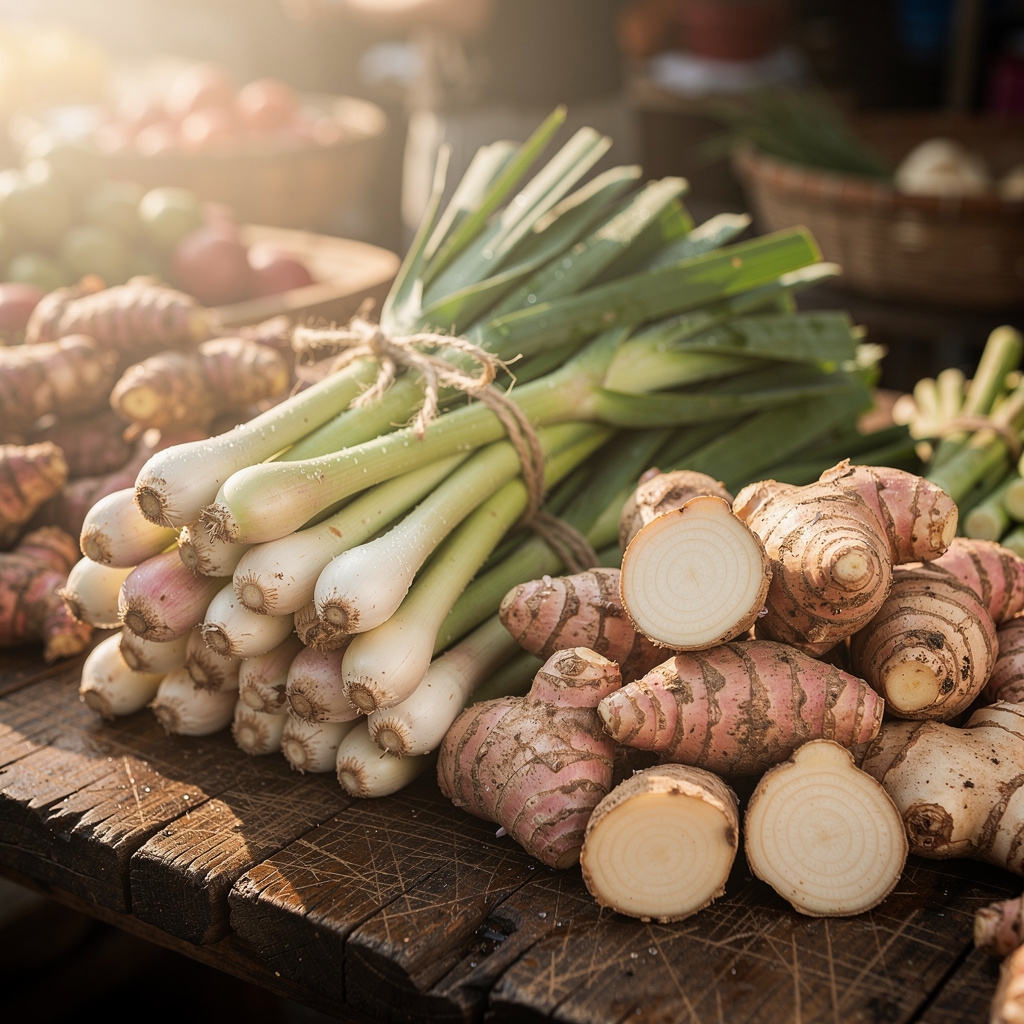
Lemongrass appears in virtually every Indonesian kitchen. Its aromatic oils give Jamu blends a distinctive fragrance. We explore its traditional wellness significance alongside its more familiar culinary role.

Lengkuas

Galangal

A rhizome that resembles ginger but carries a sharper, more resinous flavour. Galangal has deep roots in both Javanese and Balinese culinary tradition, and appears regularly in Jamu vendor preparations across the archipelago.

Our Approach

Information, Not Instruction

We write about Jamu because it deserves to be written about. Not because it is trending, and not to sell anything. The tradition is old enough to have survived many cycles of rediscovery, and it will survive this one too. Our role is simply to document it carefully.

All factual claims in our articles are drawn from publicly available nutritional data and documented traditional knowledge. We distinguish between what the science currently says and what the tradition has long practised, because those are not always the same thing and the difference matters.

This platform does not sell herbal products, does not diagnose or treat any medical condition, does not claim therapeutic benefits for any ingredient, and does not replace consultation with a qualified healthcare professional.

More From Solidcrest

Explore the Platform