Why We Write About Jamu

The editorial reasoning behind this platform, and what it means to write honestly about a tradition that has survived centuries of being misunderstood.

The Editorial Position

A Tradition That Outlasts Every Trend

Jamu predates every wellness trend that has swept through urban Indonesia in the past two decades. It predates the gym culture that arrived with globalisation. It predates the supplement industry, the detox rhetoric, and the concept of the morning routine as a productivity tool. The women who carried bamboo baskets of herbal preparations through Javanese markets in the sixteenth century were not optimising anything. They were doing what their mothers had done, and what their mothers' mothers had done before that.

This is why Jamu is interesting. Not because it is ancient and therefore wise, but because it has persisted across enough social upheaval to suggest that something about it resonates with how people actually want to live. Understanding what that something is requires careful, unhurried writing. It requires distinguishing between cultural practice and therapeutic claim. It requires the willingness to say, honestly, that we do not always know why something has persisted, and that the honest answer is sometimes more valuable than a confident one.

Solidcrest exists to do that writing. We are not advocates for Jamu. We are not critics. We are a publication that finds the subject genuinely interesting and believes it deserves the same quality of editorial attention that any other significant cultural practice receives.
The Ingredient

Kunyit: History, Culture, and What the Science Currently Says

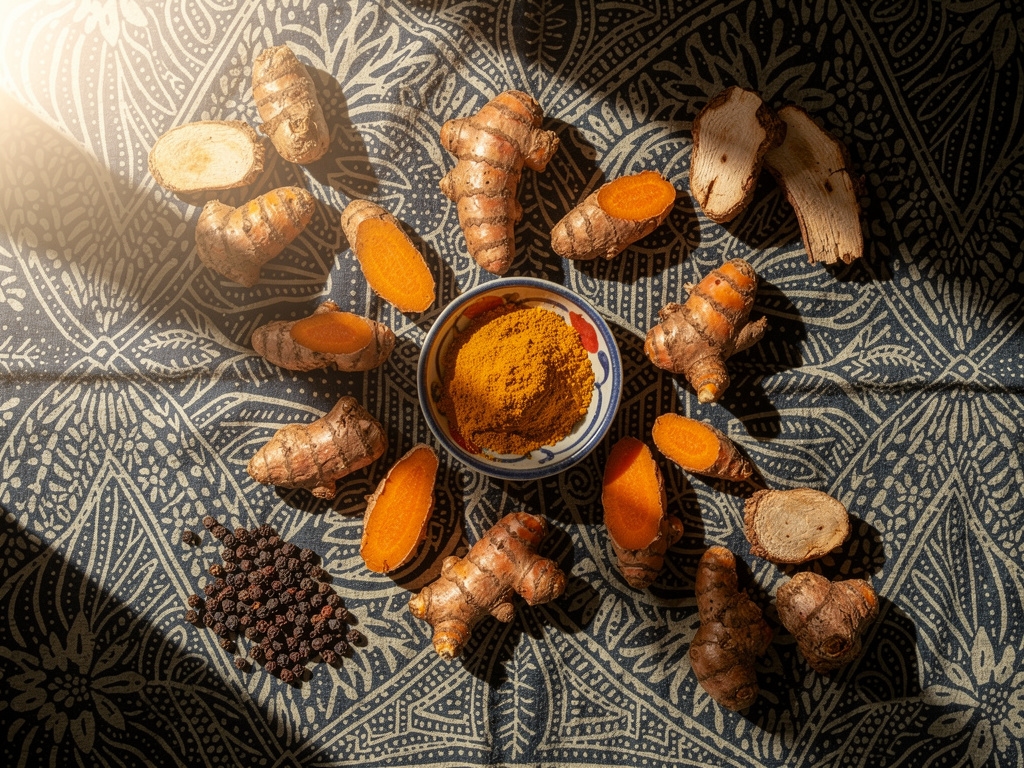
Turmeric has been cultivated in Java and across the Indonesian archipelago for so long that pinpointing its arrival is a matter of archaeological inference rather than historical record. It appears in Javanese texts as a ritual substance. It appears in royal court documents as a component of ceremonial preparations. It appears, most persistently, in the kitchen.

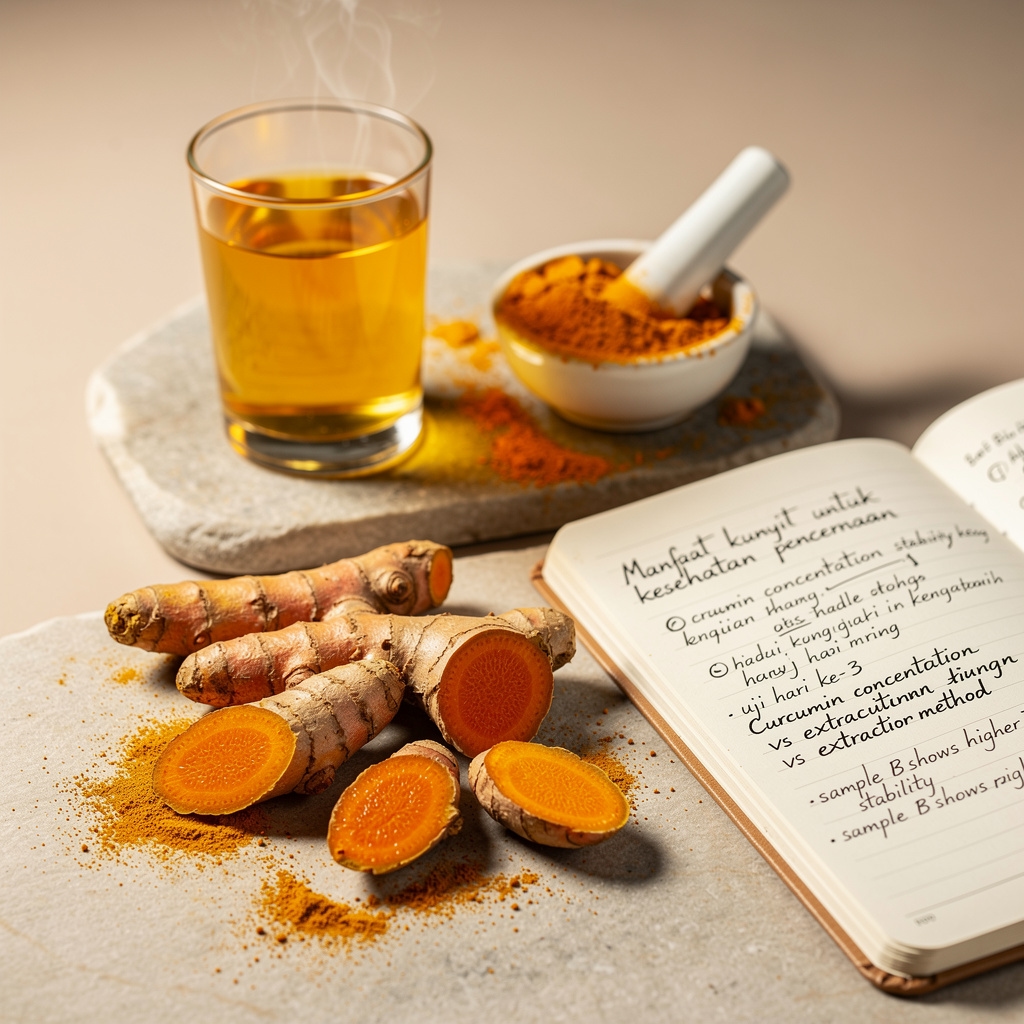
The compound that has attracted the most scientific attention is curcumin, the polyphenol responsible for turmeric's distinctive colour. Research published in peer-reviewed nutritional science journals has examined curcumin as a dietary compound across a range of contexts. The findings are genuinely interesting. They are also frequently overstated by sources with commercial interests.

Our approach is to present what the research currently shows, note the limitations that the researchers themselves acknowledge, and resist the temptation to draw conclusions that the data does not support. Curcumin has a low bioavailability when consumed without certain co-factors. This is a known limitation that appears in the primary literature. It matters. We mention it.

What the Javanese tradition understood about turmeric was not curcumin content. It was something more contextual. Kunyit as part of a daily preparation that includes black pepper, ginger, and tamarind. The combination is not accidental, even if the reasoning that produced it was empirical rather than biochemical. That is a genuinely interesting observation, and it does not require any therapeutic claim to be worth making.

Fresh turmeric roots on traditional Javanese batik fabric Turmeric roots with research notes and golden preparation
Fresh Ginger

Jahe: A Guide to Preparations That Have Persisted

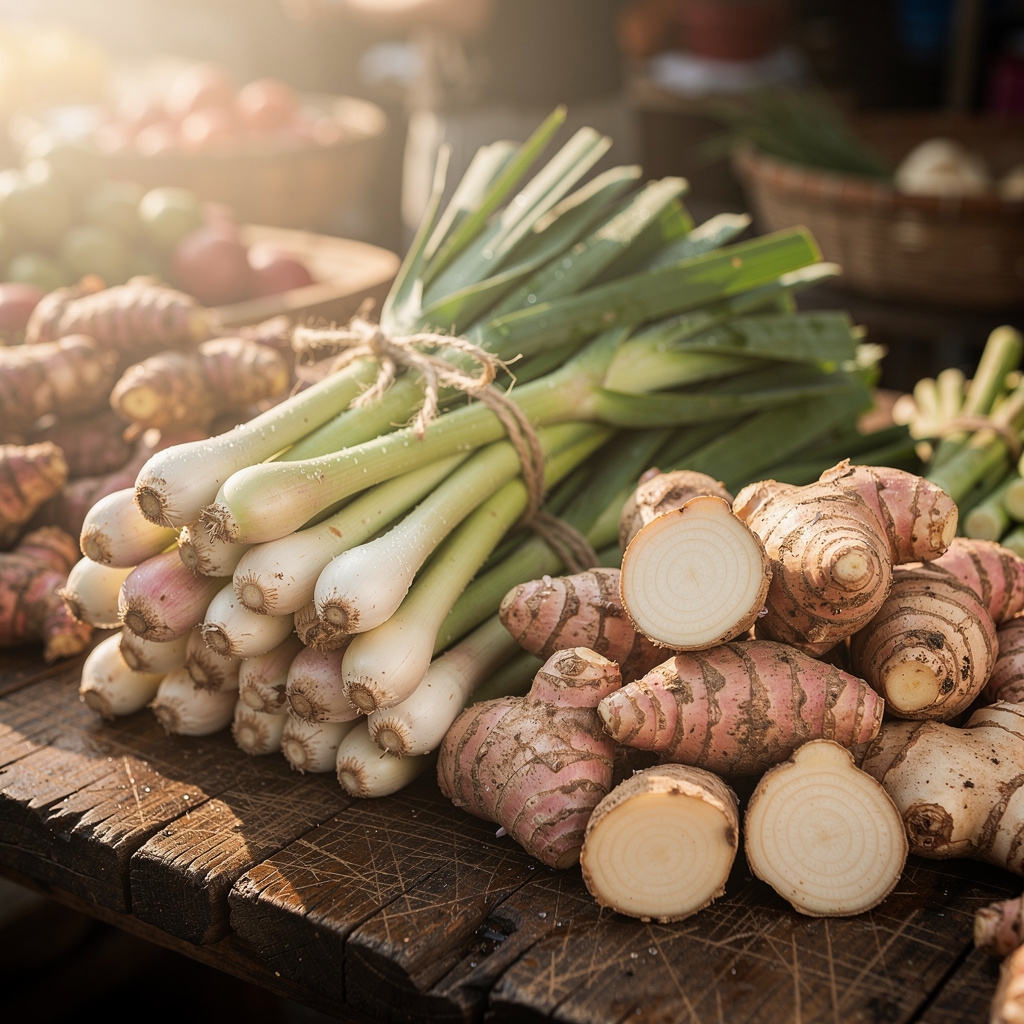
Ginger is one of those ingredients that appears in almost every culinary tradition that has had access to it, which makes it tempting to treat it as universal. In Indonesia, however, Jahe has a specificity that the generic category obscures. The distinction between Jahe emprit (small ginger), Jahe gajah (elephant ginger), and Jahe merah (red ginger) is not merely botanical. Each is used differently, prepared differently, and associated with different contexts within the Jamu tradition.

Jahe merah, the smallest and most pungent variety, appears most frequently in Jamu preparations. Its preparation in Indonesian households has followed relatively consistent patterns across generations. Fresh root, peeled and either pounded or grated. Steeped in hot water. Combined with palm sugar and a small amount of lime. Consumed in the morning, or after a meal, or when the body feels the particular heaviness that Indonesians sometimes describe with the word masuk angin.

The modern daily routine accommodates this preparation without difficulty. The time required is not significantly greater than the time required to make instant coffee. The ingredients are available in every pasar tradisional and most supermarkets. The knowledge required is minimal, and what knowledge is needed is the kind that can be learned from a single conversation with someone who grew up making it.

We write about Jahe preparations because they represent something important about how traditional knowledge is transmitted. Not through texts, primarily, but through observation and practice. A grandmother who makes Jahe preparation every morning without measuring anything is demonstrating a form of knowledge that is worth documenting, even if it resists the kind of quantification that nutritional science requires.

Fresh lemongrass and galangal at an Indonesian market
Culinary Herbs

Sereh and Lengkuas: More Than Flavour

Lemongrass and galangal are so thoroughly embedded in Indonesian cooking that it is easy to think of them purely as flavouring agents. They are that. But the Jamu tradition positions them differently. Sereh, when steeped rather than cooked, releases different aromatic compounds than it does when fried in oil. Lengkuas, when used in a cold preparation, behaves differently than it does in a long-simmered curry.

The traditional wellness significance of these herbs is not separable from their culinary significance. In Javanese and Balinese traditions, the distinction between food and preparation was never as sharp as it became in the modern framework that separates nutrition from medicine from cooking. Jamu vendors who include Sereh in their blends are not making a clinical decision. They are drawing on accumulated knowledge about how the combination of certain aromatic plants affects how a preparation tastes and how it makes the person who drinks it feel.

Whether that feeling reflects a measurable physiological effect or simply the pleasure of consuming something fragrant and warm is a question worth taking seriously. We do not assume the answer either way.

The Jamu Vendor Series

Daily Blends: What Each Ingredient Contributes

The Jamu vendor series documents how vendors across Java and Bali approach the preparation of their daily blends. It is a series about process as much as product. The decisions that go into selecting which roots to use on a given day. The judgment calls about proportion that are made without measuring. The relationship between the vendor and the regular customers who have been drinking the same blend, adjusted slightly over the years, for as long as they can remember.

In Yogyakarta, Jamu gendong vendors typically begin preparation before four in the morning. The grinding, pressing, and mixing that produces a day's supply of bottles takes several hours. The physical labour involved is substantial. The knowledge required is accumulated over years of practice and observation. This is skilled work, and it is frequently underestimated by people who think of Jamu as a simple folk practice rather than a sophisticated traditional craft.

Each ingredient in a Jamu blend contributes something specific to the final preparation. Kunyit provides colour and a faintly bitter, earthy base note. Jahe provides warmth and sharpness. Sereh lifts the aromatic profile and softens the bitterness. Lengkuas adds a resinous, almost piney quality. Temulawak, when included, brings a distinctive bitterness that regular Jamu drinkers often describe as the most important element in the blend. These are flavour descriptions. They are also, in the traditional understanding, descriptions of how each ingredient contributes to the overall character of the preparation as an experience.

The cultural ritual of Jamu consumption is as important to document as the ingredients themselves. The small glass. The brief pause. The familiar greeting between vendor and customer. These are not incidental details. They are part of what Jamu is.

Our Standards

How We Approach Every Article

Source Transparency

We draw on publicly available nutritional data and documented traditional knowledge. When we cite research, we note the context and limitations that the researchers themselves identify.

Distinguishing Culture from Claim

Traditional knowledge and scientific evidence are different categories of knowledge. We treat both seriously and do not conflate them. A practice can be culturally significant without being clinically validated.

Consistent Disclaimer

No content on this platform constitutes medical advice. We consistently direct readers to consult qualified healthcare professionals for any health concerns, and we mean it.

Editorial Independence

We do not sell herbal products. We do not accept sponsored content that promotes specific products. Our editorial position is not shaped by commercial relationships with any ingredient supplier or wellness brand.